

Intellectual Property Rights and Indigenous Peoples
in the 21st Century
Legal Frameworks, Challenges, and Pathways to Equitable Protection
Hybrid Mode
22nd August 2026
04th April 2026 (Saturday)
School of Law
Co-Organized by- Genotypic Technology Pvt. Ltd, Bengaluru
Centurion University of Technology and Management, Bhubaneswar, Odisha
Sponsorship by
Anusandhan National Research Foundation (ANRF), Government of India.
INVITATION
Dear Fellow Researchers,
During the year 2025, the Orissa Botanical Society (OBS) has chosen the Department of Botany and School of Applied Sciences, Centurion University of Technology and Management, Odisha to host the 48th Annual Conference of Orissa Botanical Society. The conference shall be held during December 21st and 22nd, 2025 under the President ship of Dr. Kunja Bihari Satapathy. With great pleasure we cordially invite all OBS members to attend the conference and participate in the scientific sessions, symposia, oral/poster presentations, and other activities of the conference for exchange of thoughts/opinion `and scientific interaction.
About the Conference
Traditional knowledge systems held by Indigenous Peoples and local communities are vital to biodiversity conservation, climate resilience, and cultural continuity. Yet, such knowledge remains inadequately protected under conventional intellectual property regimes.
The 3rd National Conference of the School of Law, CUTM seeks to examine the intersection of traditional knowledge, biodiversity, and intellectual property law, with particular emphasis on biopiracy, access and benefit-sharing, consent, and Indigenous governance systems in the Global South.
Conference Objectives
- Examine national and international legal frameworks governing traditional knowledge
- Analyse doctrinal and empirical dimensions of biopiracy and benefit-sharing
- Assess the effectiveness of Free, Prior and Informed Consent (FPIC)
- Explore Indigenous governance, customary law, and community protocols
- Identify future legal and technological pathways for equitable protection
The Centurion University is duly recognized as a pioneer in ‘Skill Integrated Higher Education” and has been accredited with NAAC A+ grade. Its unique model lays specific emphasis on creating sustainable livelihoods on a national scale in challenging geographies through education that results in employability and sparks entrepreneurship. This model has been recognized by multiple Governments (Central and State), International Organizations such as UNESCO and the World Bank as well as Policy Think- tanks such as the Niti Ayog. Centurion University’s School of Vocational Education and Training has been recognized as a Centre of Excellence by the Ministry of Skill Development and Entrepreneurship, Government of India. From the inception, Centurion University’s DNA has been “Shaping lives and empowering communities”. The University has focused on ‘hands on’, ‘experience based’, and ‘practice oriented’ on cutting age technology learning that makes a difference through appropriate and relevant innovation and action research. While promoting Nano, Mini and Micro enterprises, the University works towards learning experiences that are ‘quantifiable’, ‘sustainable’, ‘scalable’ and ‘replicable’.
Indicative Sub-Themes
- Structural limits of existing intellectual property frameworks
- FPIC: law beyond doctrine and procedural compliance
- Biopiracy, misappropriation, and legal accountability
- Access and benefit-sharing and biodiversity justice
- Indigenous governance and commercial use of traditional knowledge
- Traditional knowledge and climate change
- Documenting traditional knowledge without dispossession
- AI, digital extraction, and knowledge colonisation
- Dispute resolution, remedies and enforcement in traditional knowledge claims
- Future pathways: law, technology, and Indigenous-led innovation
ABOUT THE SCHOOL
The School of Applied Sciences offers Bachelor’s, Master’s and Ph.D. Programs in Physics, Chemistry, Mathematics, Botany, and Zoology. The school has been in the forefront in implementing CBCS as well as preparing itself to provide integrated 5 years Bachelors-Master’s program as per the New Education Policy 2020. Apart from preparing students for a career in teaching and research, which are traditional aspirations of students, the school has mapped out many industrial domains and new emerging areas like Phyto Pharma, Computational Fluid Dynamics, Renewable Energy, Intensive Aquaculture, Fish Processing Technology, Genetics and Genomics, Smart Agriculture, Animal Cell Culture, Seed Technology, Tissue Culture, Food Processing, Organic Farming, Horticulture, Dairy Processing, Composite Design and Manufacturing, Waste to Wealth, Medical Diagnostics, Radio Imaging Technology, Good Health and Wellness, and Nutraceuticals. The school has a multi-disciplinary team of faculty and collaborates with other Schools to offer these cutting-edge domains, R&D careers, production jobs and teaching jobs are equally preferred by students. To further these aspirations, both Bachelor’s and Master’s students are mandated to publish in international journals. Apart from this, the school prepares students for careers in Banking, Civil Services and other competitive exams like GATE, NET, JEST, CAT and JAM.


ABOUT THE CONFERENCE
The 48th Annual Conference of the Orissa Botanical Society (OBS) and National Conference on “Advances in Medicinal Plant Research and Innovations (AMPRI–2026)” aims to bring together leading scientists, academicians, and industry professionals to exchange ideas and discuss frontiers of research on medicinal plants and allied biological systems. The conference will feature plenary lectures, invited talks, symposia, and oral/poster presentations focusing on ethnobotanical knowledge, phytochemistry, pharmacology, and biotechnological approaches for sustainable healthcare and livelihood enhancement.

Impact and Outcomes
The conference aims to achieve the following outcomes:
- Knowledge Dissemination: Sharing the latest research findings with a wider audience to inspire further innovation.
- Collaborative Networks: Building partnerships among researchers, institutions, and industries for joint projects.
- Policy Recommendations: Providing insights to policymakers on the potential and challenges of emerging technologies.
- Public Engagement: Raising awareness about the societal impact of scientific and technological advancements.
OBS AIM AND OBJECTIVE
The main aim of this conference is to bring together leading academic scientists, researchers, research scholars, academicians and industry persons to exchange and share their experiences and research results in all aspects of “Advances in Medicinal Plant Research and Innovations.” (AMPRI-2026). The topic focuses on present cutting edge scientific findings related to medicinal plants, phytochemistry, pharmacology, biotechnology, and ethnobotany for improved livelihoods. In this seminar the latest developments in the field of medicinal plant cultivation, conservation, identification and authentication, ethnobotanical validation; integration of traditional healing systems with modern pharmacological, biotechnological and biomedical research addressing global health challenges such as antimicrobial resistance, chronic diseases, and public health will be highlighted by way of invited talks, oral/poster communications.
THEMES & SUB-THEMES
- Integration of Ethnobotany and Traditional Knowledge Systems
- Sustainable Cultivation and Conservation of Medicinal Plants
- Genetics, Genomics, and Biotechnological Approaches
- Bioactive Compounds, Phytomedicines, and Herbal Formulations
- Phytochemistry, Pharmacognosy, and Ethnopharmacology
- Nutraceuticals and Cosmeceuticals
- Quality Control and Regulatory Guidelines for Herbal Products
CALL FOR ABSTRACTS
- Abstract limit: 500 words, Arial 11 pt, 1.5 spacing.
- Include title, authors, affiliations, and corresponding author (underlined).
- Submit as MS Word file to [email protected] by 05 January 2026.
- Notification of acceptance: 10 January 2026.
- Full paper submission: 15 January 2026.
Who should participate?
Academicians, scientists, students, researchers and persons from industries and laboratories interested in plant science, chemical and environmental sciences should participate.
Venue:
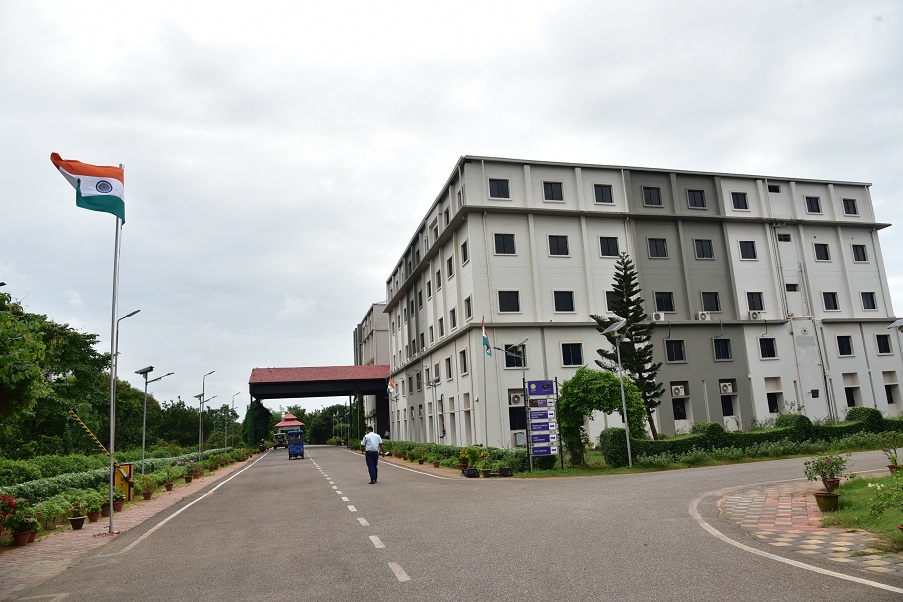
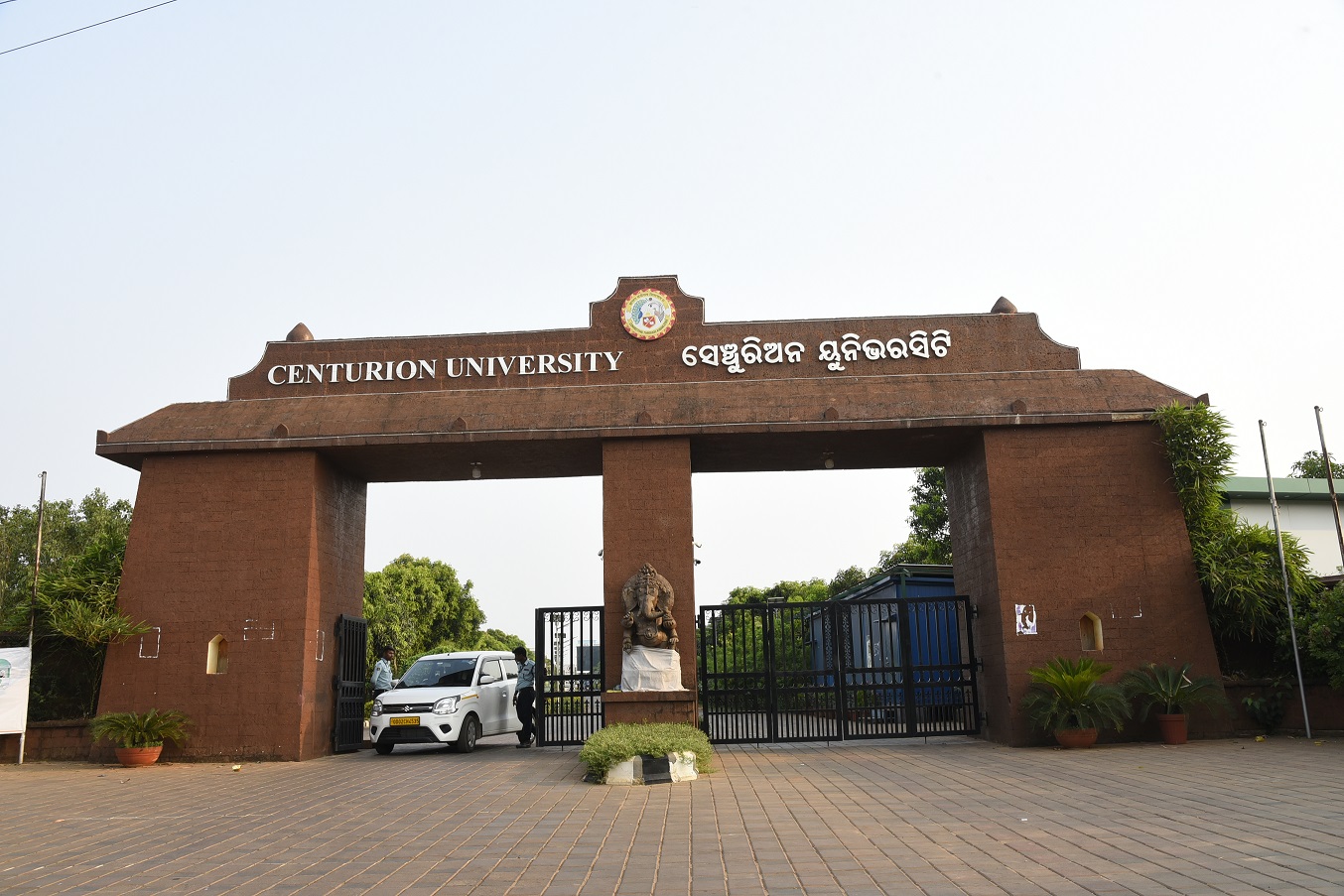
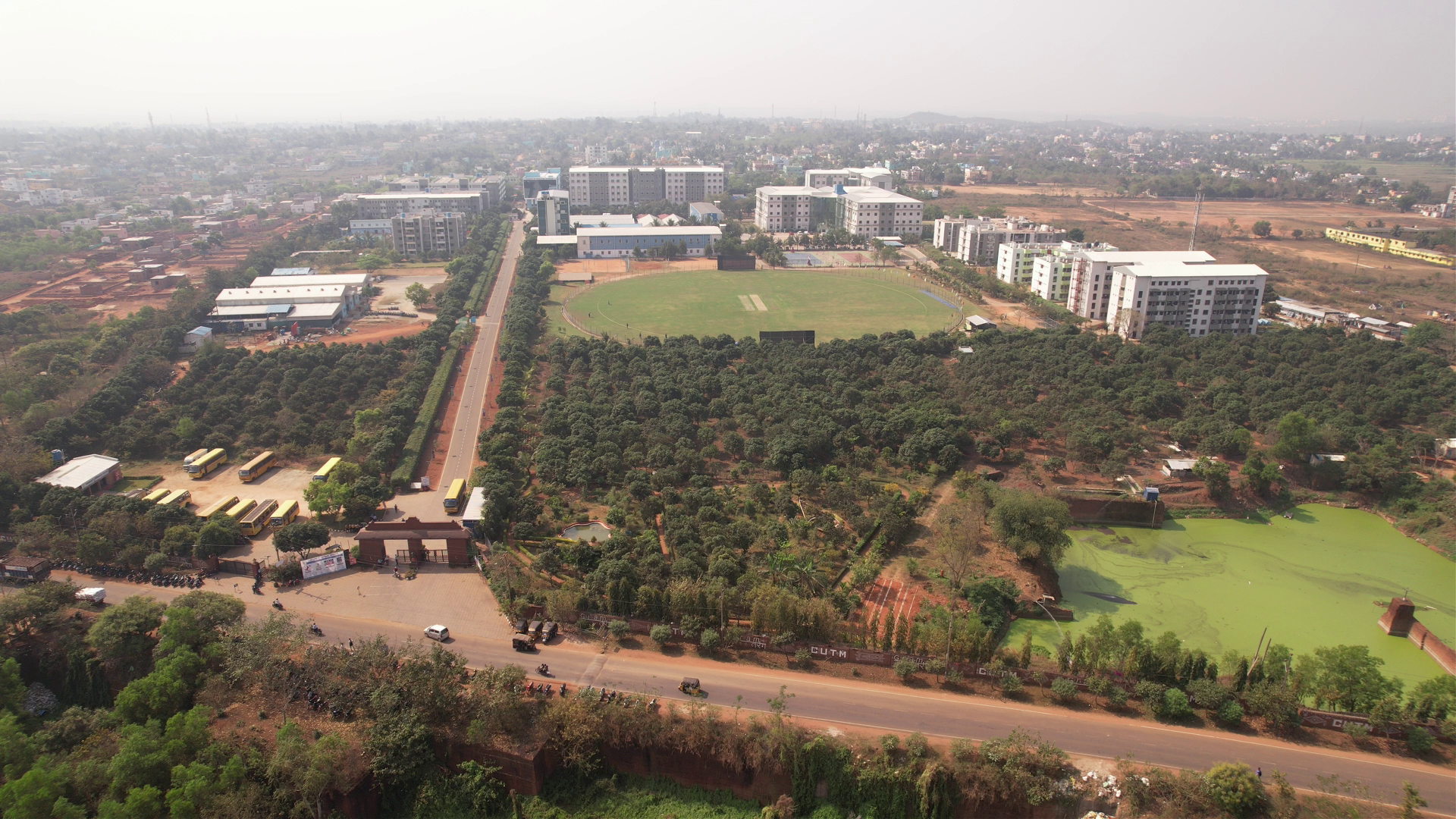
The seminar will be held at Centurion University of Technology and Management (Bhubaneswar Campus) situated at Ramachandrapur, Jatani, Khurda-752050, Odisha. Conveyance will be provided from Bhubaneswar to the venue by the local organizing committee.
Abstract Submission
Abstracts are invited for oral/poster presentation. The abstract should be submitted in MS word format with the following specifications: Times New Roman, font size 12, 1.5 line spacing, as a soft copy. It should include the title, author(s), affiliation(s) of the authors, and keywords (4-6). It should not exceed 250 words and must be relevant to the conference theme. The soft copy of the abstracts must be sent to the email id: [email protected]
Poster Dimensions: 3’ × 4’.
All the presenters are requested to be present during the poster session to answer questions raised by the delegates viewing the posters. The posters should contain a concise title, author and author affiliation, brief abstract, introduction, methodology, results, discussion, acknowledgment, and references. The scientific committee will decide whether an abstract should be presented as an oral or poster presentation. Their decision is final and it will be communicated to each presenter in advance for her/his presentation.
ABOUT THE CONFERENCE
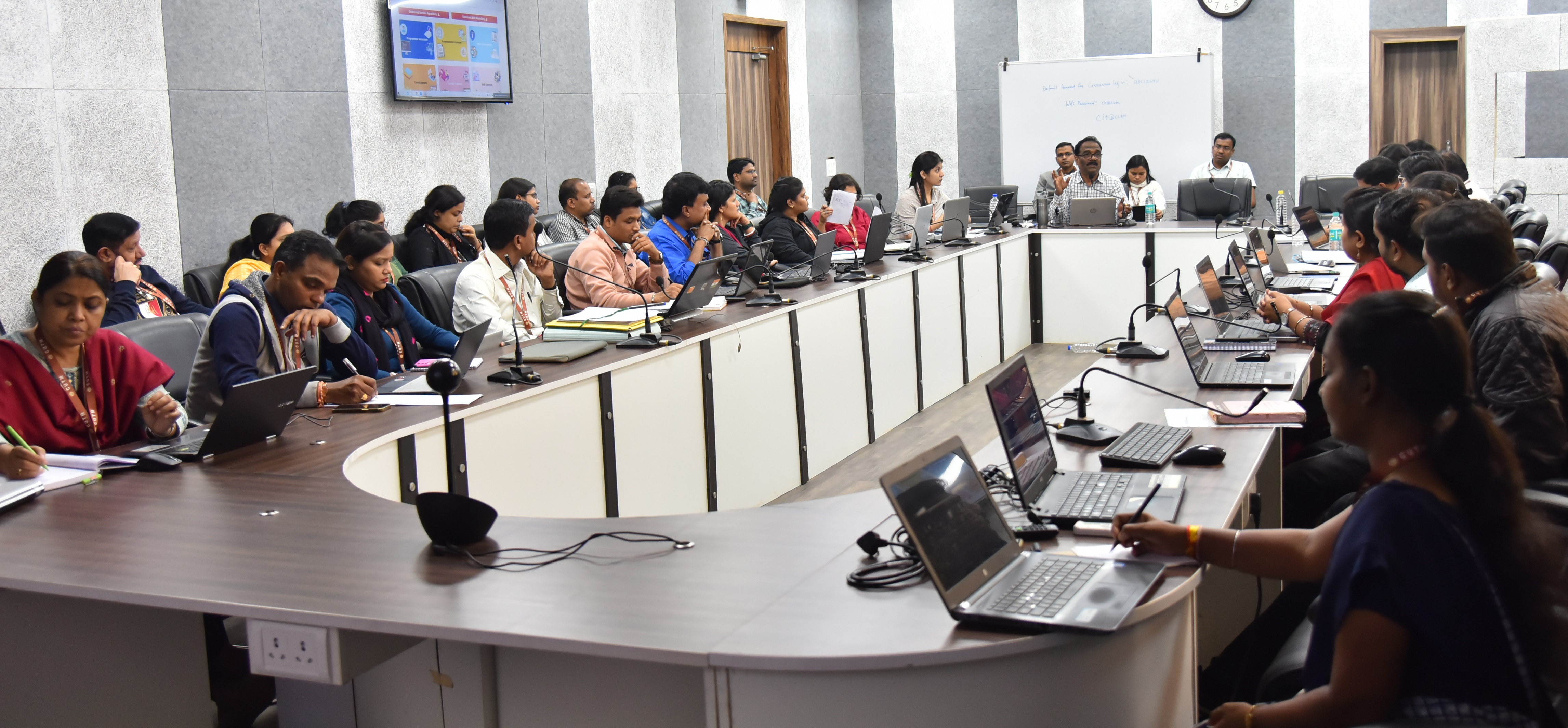
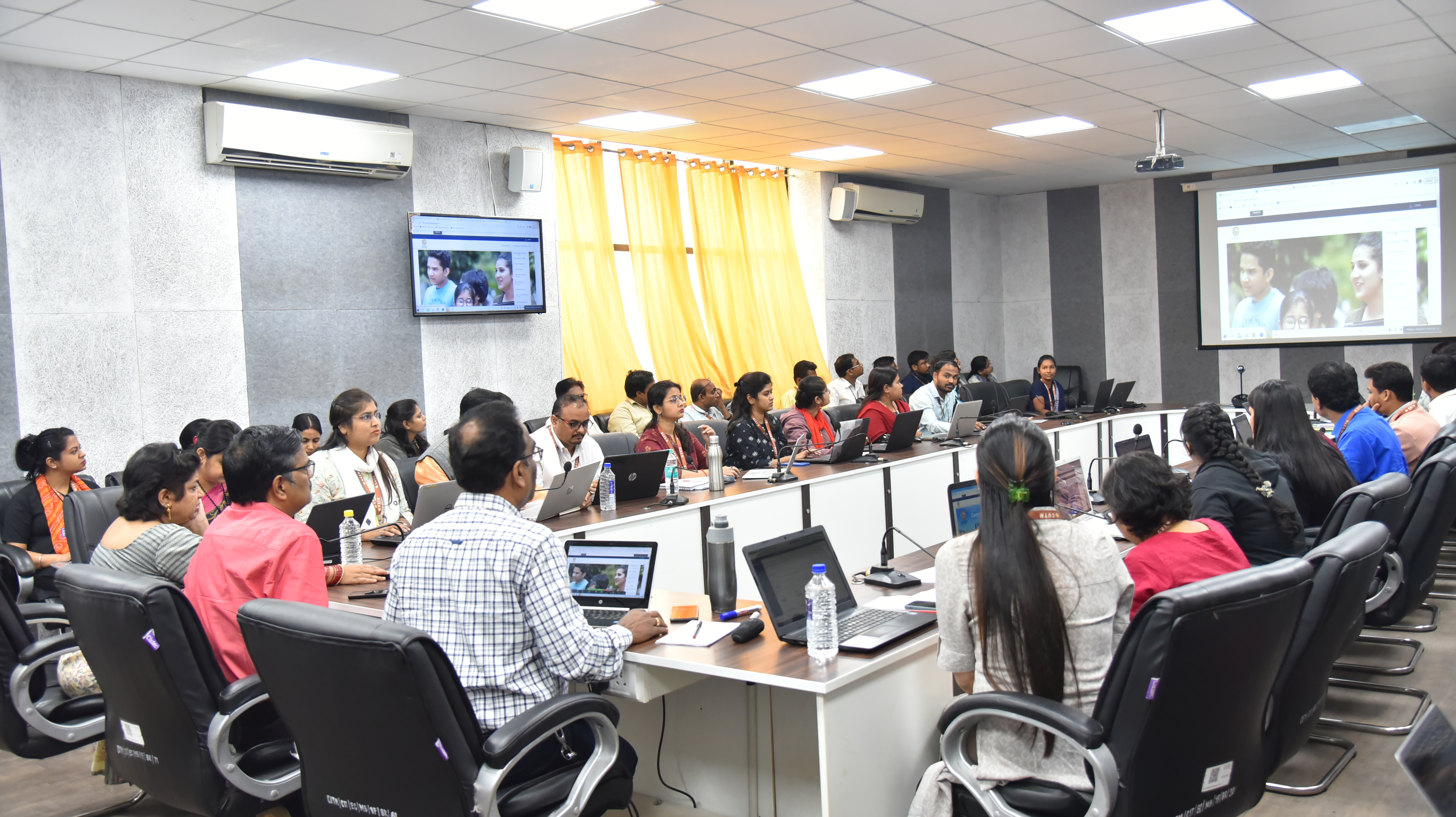
This Conference on Generative AI in Animal Experiments in Pharmacology represents a ground breaking convergence of two distinct fields, artificial intelligence (AI) and pharmacological research involving animal models. This unique conference brings together experts from both domains to explore the potential of generative AI techniques in revolutionizing the way pharmaceutical compounds are tested and evaluated in preclinical studies. By leveraging generative AI algorithms, researchers aim to simulate and predict the effects of drugs on biological systems, reducing the reliance on animal experimentation while maintaining scientific rigor and accuracy. Attendees’ present cutting-edge research on AI-driven drug discovery, computational modelling of drug interactions, and virtual screening of pharmaceutical compounds, showcasing the transformative potential of AI in advancing pharmacological research practices. Furthermore, the conference serves as a catalyst for interdisciplinary collaboration, fostering dialogue between AI developers, pharmacologists, and regulatory authorities to address ethical considerations, regulatory challenges, and the responsible integration of AI technologies in animal experiments within the field of drug development.
The selected abstract will be published in CRC press, Taylor and Francis. Taylor & Francis Group is an international company originating in England that publishes books and academic journals. It is a division of Informa plc, a United Kingdom-based publisher and conference company.
Conference Highlights
- Cutting-Edge Research
- Inspiring Orations
- Keynotes and Plenaries
- Forensic Forum
- Gala Networking Dinner
- Recognition for Excellence
THEMES
- Crime Scene Investigation
- Criminology and Law
- Forensic Chemistry and Toxicology
- Forensic Nanotechnology
- Forensic Physics and Ballistics
- Forensic Biology and Medicine
- Questioned Documents and Fingerprint
- Forensic Psychology
- Cyber and Digital Forensics
- Multidisciplinary and Allied Sciences
Objectives and Outcomes of the Conference
Objectives
- Facilitate networking opportunities for professionals, researchers and students to establish connections and collaborations within the domain of forensic science.
- Explore the emerging technological trends and their applications in forensic science
- Highlight the contributions of forensic science to specific SDGs, promoting discussions on how forensic practices can align with broader sustainable development objectives.
Outcomes
- Understanding of the integration of forensic science, psychology, and legal principles within the criminal justice system.
- Understanding of the latest forensic science techniques and technologies.
- Equipped with knowledge on the latest cybersecurity threats and defensive strategies.
- Learning on current legal frameworks and policies affecting forensic science and criminal justice.
- Enhanced Networks among forensic fraternity.
Key Speakers
Dr. Rakesh Gupta
Retd. Joint. Director and A.C.E. HOD (Chemistry and Toxicology Dept.) SFSL, Raipur, Chhattisgarh

Shri. Arun Bothra IPS
Addl. DGP, Crime and Transport Commissioner Bhubaneswar, Odisha

Dr. Rakhi Agarwal
Professor and Dean Academics (I/C) National Forensic Sciences University Delhi Campus, Delhi

Dr. Kanhu Charan Satapathy
Associate Professor Dept. of Anthropology, Utkal University Bhubaneswar, Odisha

Dr. Pallab Das
Dean and Associate Professor, School of Law Centurion University of Technology and Management, Bhubaneswar, Odisha

Dr. Bhavna Mukund
Founding Head and Associate Professor Dept. of Clinical Psychology MAN College of Special Education and Psychological Studies, Guna, Madhya Pradesh
Dr. Sakshum Khanna
Associate Scientific Editor Elsevier New Delhi
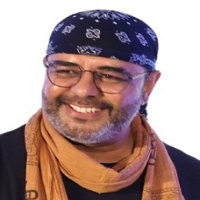
Shri. Harsh Raval
Co- Founder Cyber Dojo: The School of Cyber Defense Gandhinagar, Gujarat
Contact Us
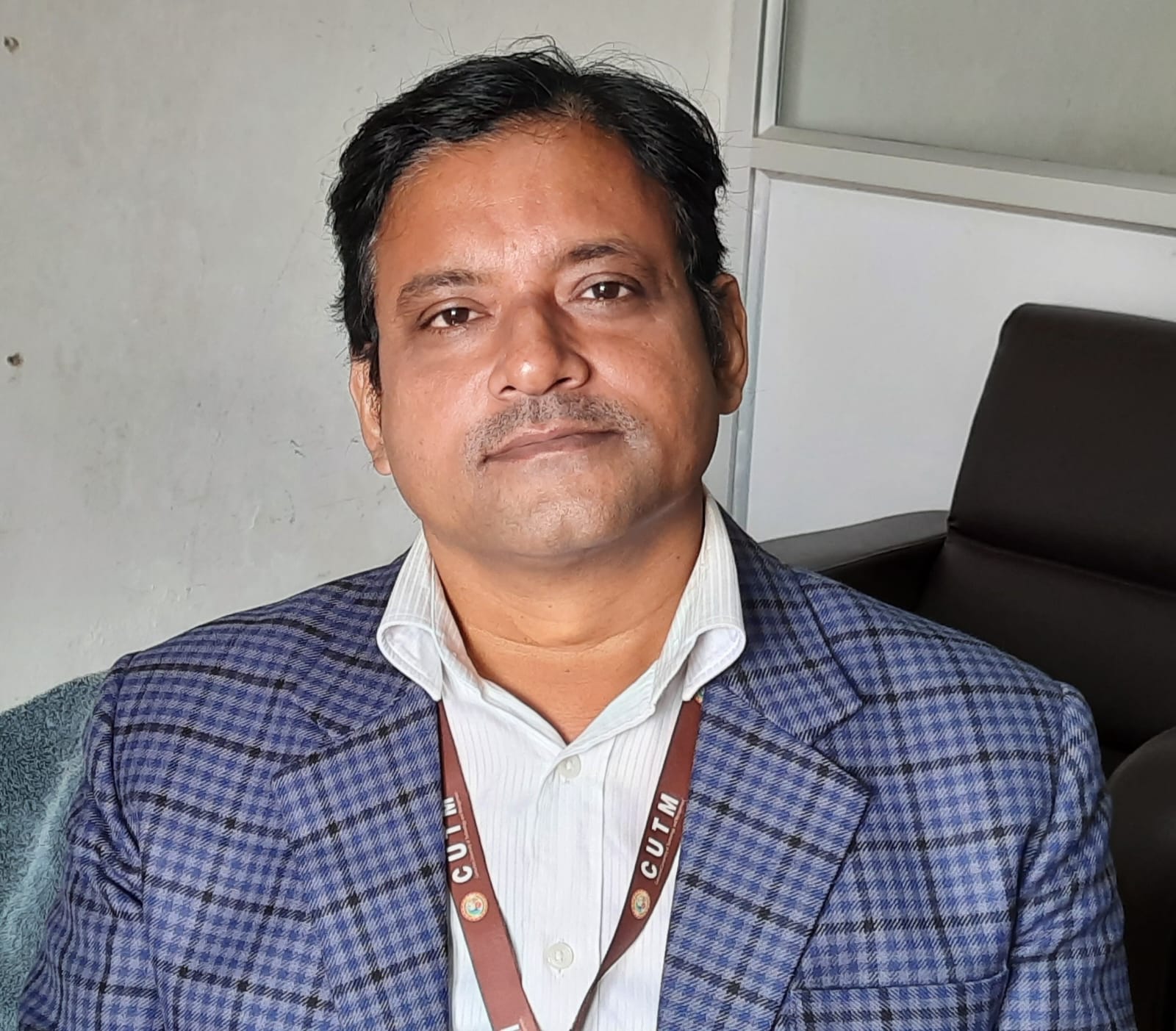
Dean, Dean, School of Pharmacy and Life Sciences, Centurion University of Technology and Management, Bhubaneswar, Odisha
- +91 9437280622
- +91 9348110393
- Centurion University of Technology & Management, Bhubaneswar (CUTM) Ramachandrapur, Jatni, Odisha 752050
Collaboration with CLINI INDIA

Important Dates
- Abstract Submission : 31stJanuary, 2024
- Acceptance Notification: 5th February, 2025
- Last Date of registration: 5th February, 2025
PRE- CONFERENCE WORKSHOP
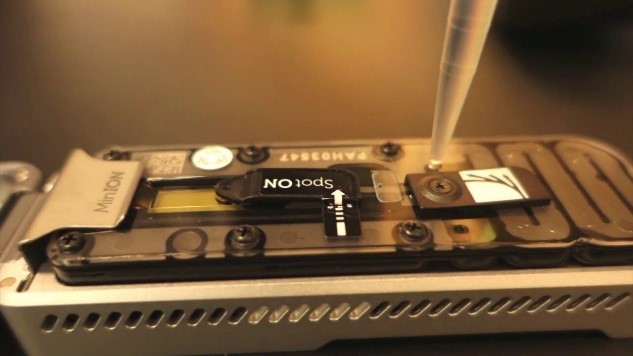
The pre-conference workshop on “Hands-on Training on Oxford Nanopore Based Rapid Plasmid Sequencing & Data Analysis” will be held from the 19th of February 2025. The workshop aims to provide participants with practical knowledge and skills in the latest sequencing technology. Oxford Nanopore sequencing offers a unique approach to DNA analysis, enabling rapid, real-time sequencing of plasmids with minimal preparation time. This workshop will guide attendees through the entire process—from sample preparation and sequencing to data analysis, empowering them to effectively apply this cutting-edge technology in their research. Participants will also gain hands-on experience with bioinformatics tools for analyzing sequencing data, fostering a deeper understanding of the technology’s potential applications.